Bringing better treatments to patients faster: Why we’ve invested in Orakl
AI is transforming how we discover and design new drugs. Yet one of drug development's biggest challenges remains unresolved: predicting whether a promising treatment will actually work in patients. Historically, around 95% of oncology drugs entering clinical development have failed to reach approval. Years of research, billions in investment and, most importantly, patients' time are at stake.
That's why we've invested in Orakl Oncology.
The Problem
Every patient's tumour is different. And much of the biological data needed to understand how it responds to treatment can't simply be pulled from a database. It has to be generated in the lab.
That uncertainty is one of the biggest bottlenecks in cancer drug development. Pharma companies can design promising new molecules, but often lack the evidence to predict which patients will benefit from them. Around 75% of oncology candidates fail in Phase II, when treatments are tested for efficacy in patients.
Years lost, billions wasted and promising treatments that may never reach the patients who could benefit from them.
The Solution
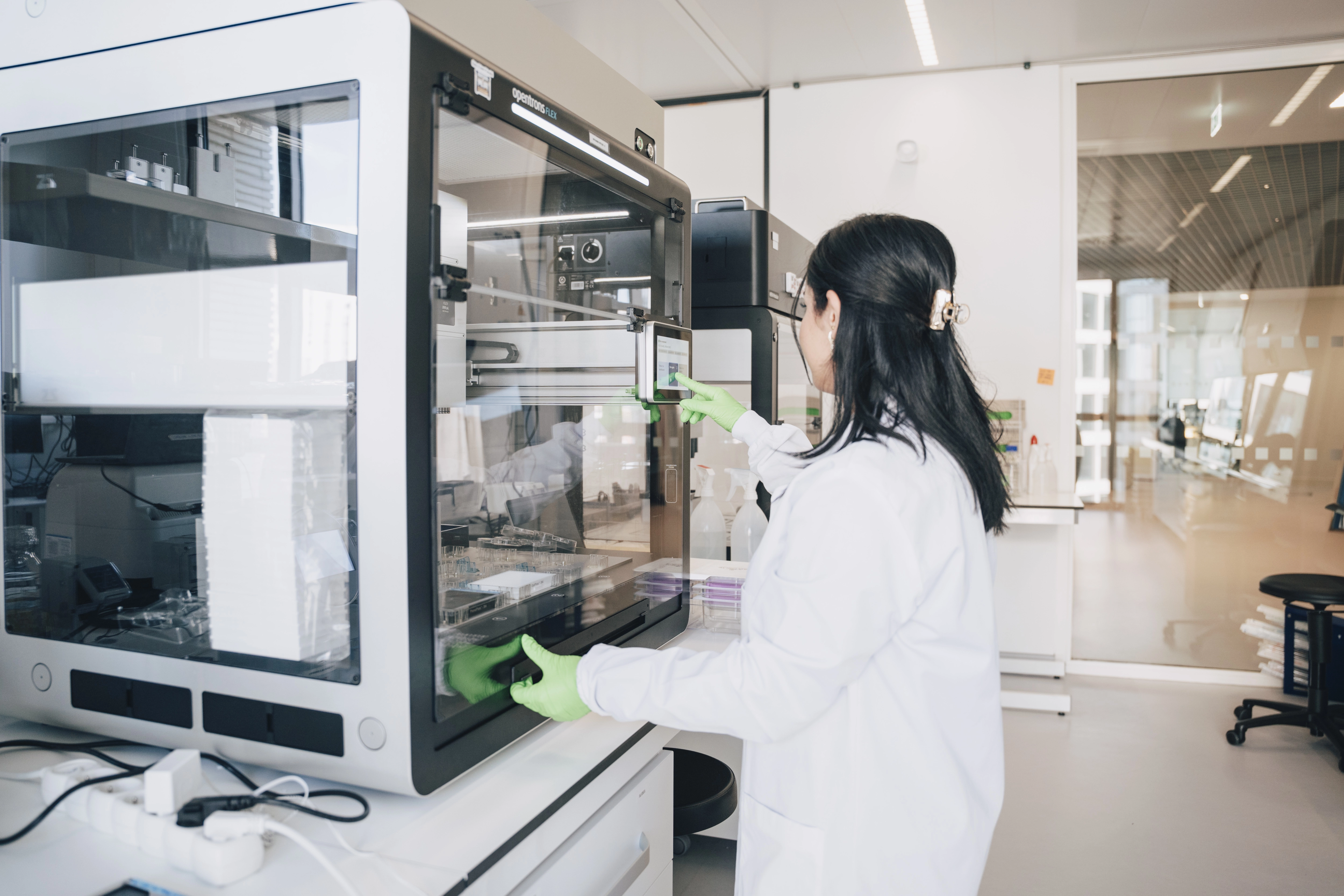
Orakl combines biological and artificial intelligence to make cancer drug response predictable before clinical trials. Its platform builds cohorts of what it calls virtual cancer patients: real patients' tumours grown in the lab and paired with their clinical histories and deep biological data. By testing treatments against these models at scale, Orakl can predict which drugs are most likely to work, and for which patients, years before they reach the clinic. Its predictive engine has already demonstrated 90% accuracy in predicting cancer clinical trial outcomes, including predictions that closely anticipated recent pancreatic cancer trial results. Beyond predicting trial outcomes, the platform can identify which patients are most likely to respond and uncover the biological mechanisms behind why treatments succeed or fail.
But the opportunity goes beyond prediction. Every experiment generates new proprietary data, connecting patient biology, clinical information and actual drug responses. This isn't data that can simply be scraped from the internet. It requires patient samples, laboratory infrastructure and deep hospital partnerships to generate.
Together, these create an exceptionally hard-to-replicate platform, with the potential to improve drug development decisions, reduce costly failures and identify entirely new therapeutic targets.
The Traction
Just over a year after commercial launch, Orakl already has 18 of the world's top 20 pharmaceutical companies in its commercial pipeline, with its first pharma engagements turning into multi-year collaborations.Through its international hospital network, Orakl is building an expanding proprietary dataset of patient biology, clinical information and experimental drug responses. More than 15 additional cancer centres across Europe, North America and Asia are in contract negotiations.
The ambition is to build the world's most comprehensive oncology dataset, laying the foundation for a platform that can transform how cancer drugs are discovered, developed and brought to patients.
The Team
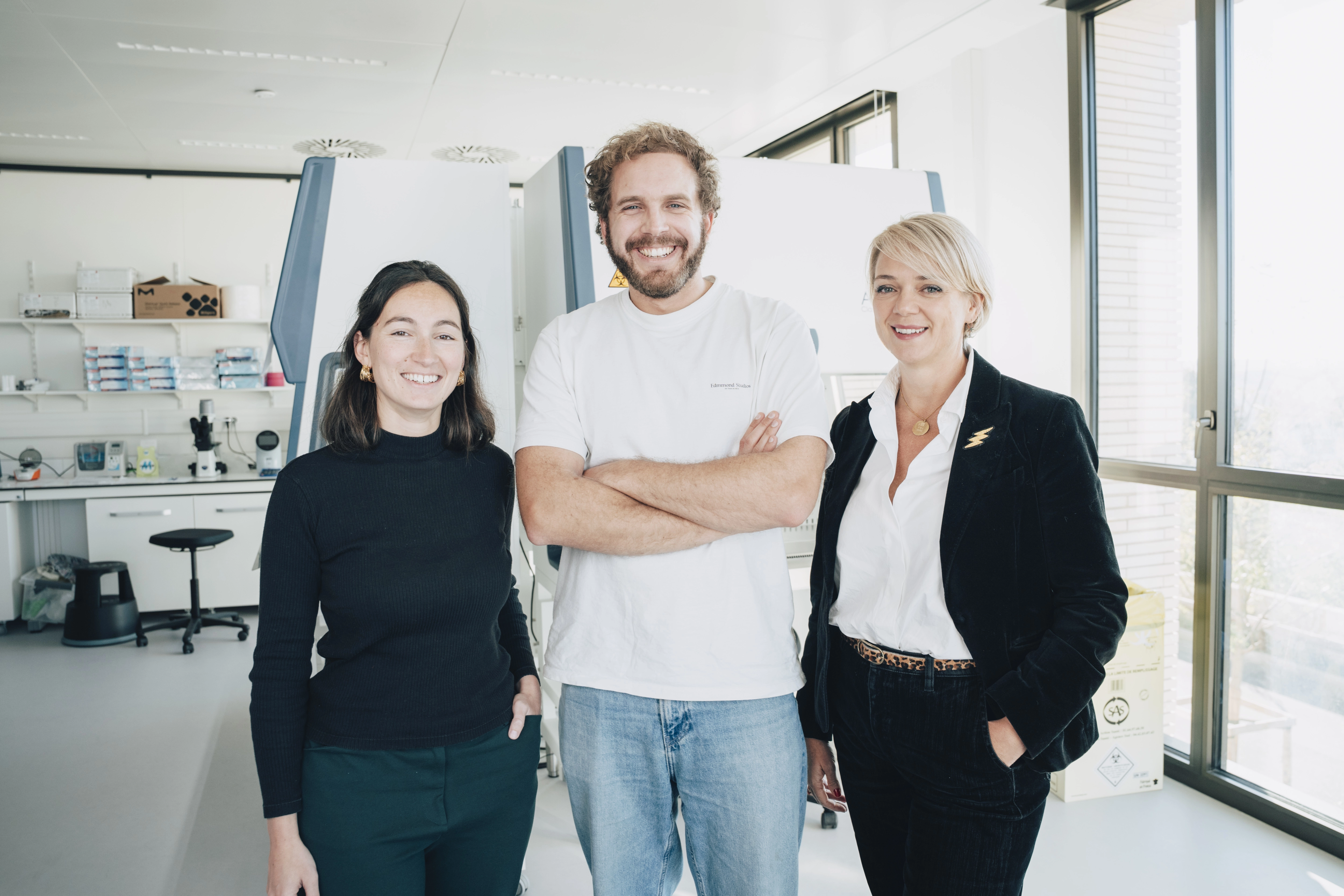
Orakl was founded in 2023 as a spin-out of Gustave Roussy, one of Europe's leading cancer research institutes. And few founding teams bring together this depth of expertise across oncology, biology and AI. CEO and co-founder Dr Fanny Jaulin brings 20 years of expertise in cancer biology, from research at Weill Cornell and Memorial Sloan Kettering to pioneering work on patient-derived tumour models at Gustave Roussy. CTO and co-founder Dr Gustave Ronteix combines expertise in AI, data science and quantitative biology, with training at École Polytechnique, Institut Pasteur and Cambridge. COO and co-founder Dr Diane-Laure Pagès pairs a PhD in oncology with training at École Polytechnique and HEC, leading Orakl's hospital partnerships and operations.
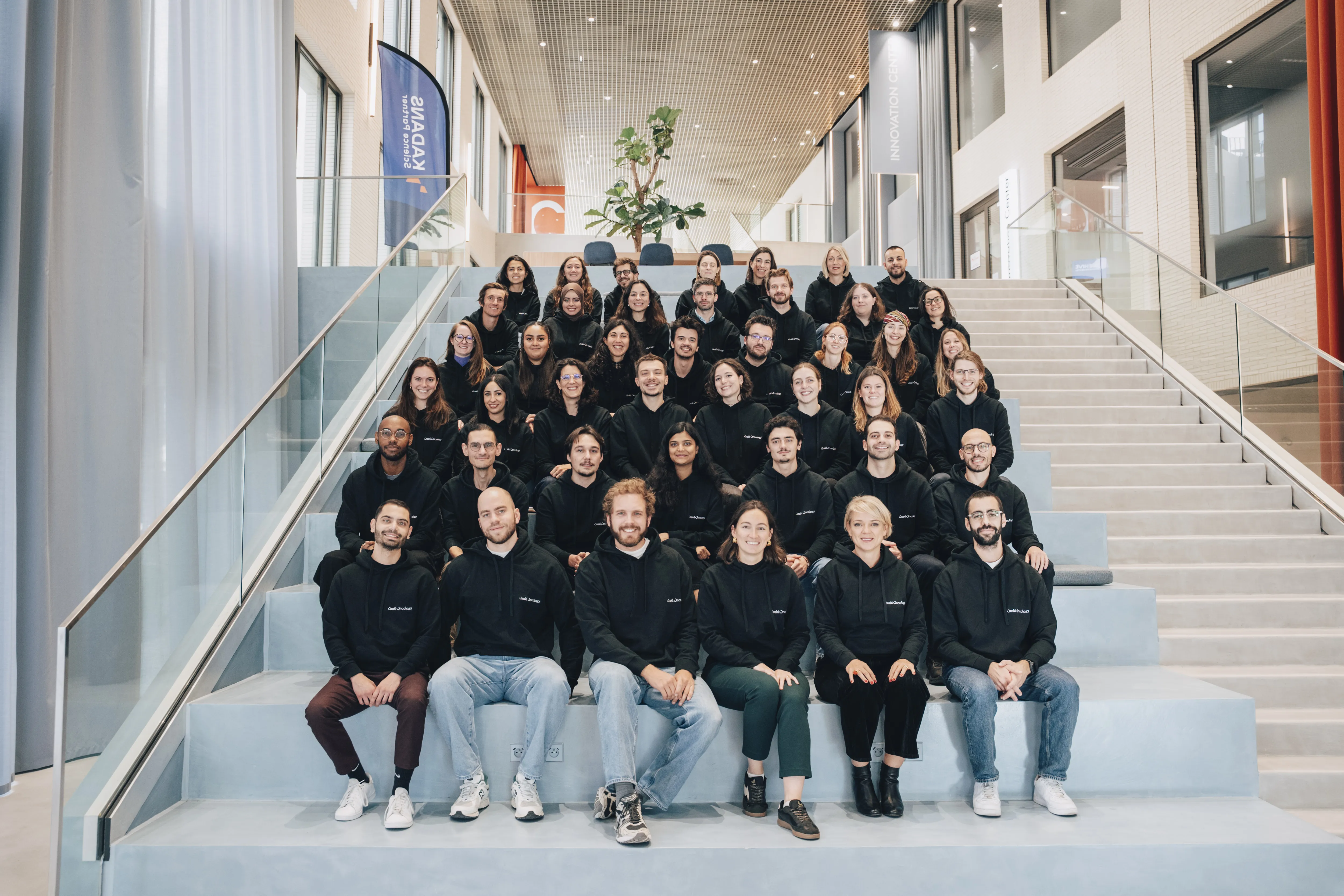
Together, they've built a multidisciplinary team of more than 40 people, 30% of whom hold PhDs. It's a rare combination of scientific expertise, technical capabilities and direct access to patient biology. And exactly the kind of team needed to take on one of drug development's hardest problems.
The Round
We're proud to co-lead Orakl's oversubscribed $34 million Series A alongside Singular, bringing the company's total funding to $50 million. The round includes new investors InfraVia, Serena, the Patient Autonome Fund managed by Bpifrance, teampact.ventures and Plug and Play, alongside existing investors Verve Ventures, Speedinvest and HCVC.
The funding will help Orakl expand its dataset and AI research team, increase data generation fivefold and move beyond colorectal and pancreatic cancers into lung and gastric cancers. It will also establish teams in the US and UK to deploy its predictions across more than 10 drug programmes, while adding a new capability: discovering and validating drug co-targets directly from patient biology and experimental screens.
For pharmaceutical companies, the potential is better decisions, more effective trials and fewer costly failures. For patients, it's the prospect of better treatments reaching them faster. We couldn't be more excited to back Fanny, Gustave, Diane-Laure and the entire Orakl team as they work to make cancer drug development more predictable – and bring better treatments to patients faster.
Curious to learn more? Visit their website.
Latest news, insight drops, event recaps, and announcements.